ZERO PLASTICS. ZERO SYNTHETICS.
The weight of what endures.
Everything in our home touches our hands, our food, and our water. Naturustic look for tools made purely of cast iron, untreated clay, and solid grain, materials that come straight from the ground and only get better with time. No non-stick films, no plastic resins, and no planned obsolescence. Just honest weight built to outlive us.
50g
ANNUAL PREP SHEDDING
Estimated microplastic fibers transferred to food annually from standard plastic cutting boards.
16,000+
SYNTHETIC CHEMICALS
Identified in food-contact plastics, with thousands never screened for human safety.
<180s
THERMAL OFF-GASSING
Before standard non-stick pans begin off-gassing fluorochemical vapors on heat

FERROUS
Cookware & Bare Metals
Made by heat and earth. Finished by the years. Cast iron is poured in sand. Carbon steel is struck at the forge. Both are left just as that shaping made them.

UNGLAZED EARTH
Stoneware & clay
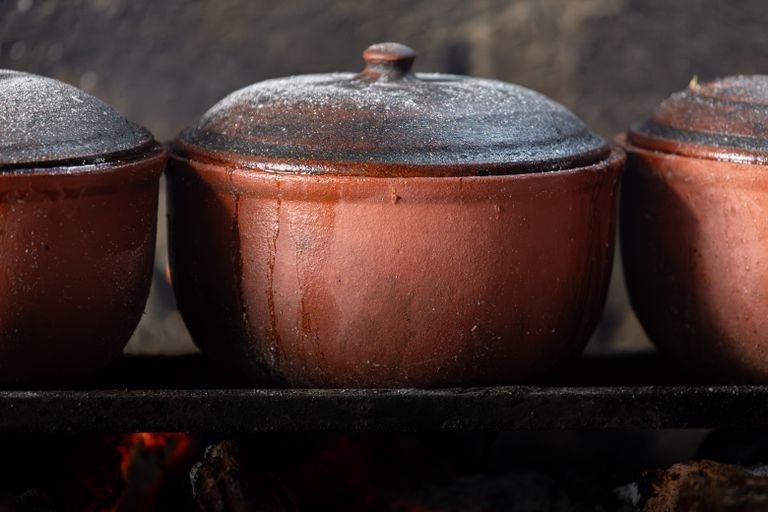
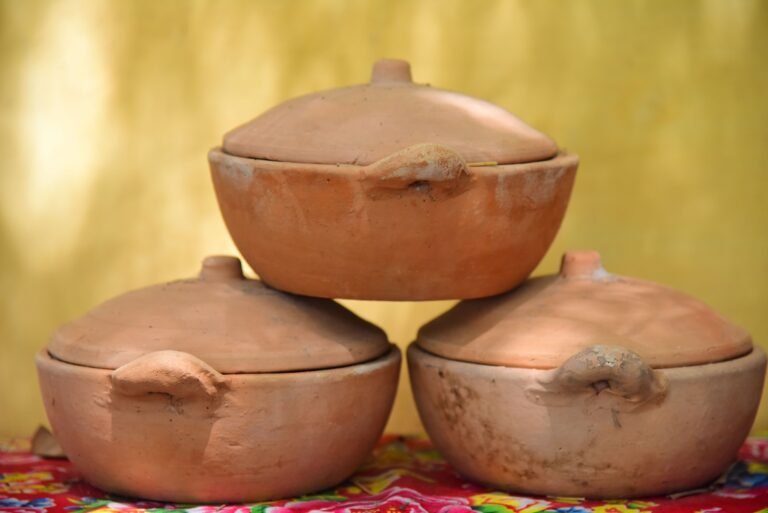
What the kiln finishes, the clay keeps breathing. Unglazed stoneware and raw earthenware, porous by design, never sealed against you.

LIVING FIBER
Untreated wood
What the tree grew, the grain still remembers. Untreated hardwood, no sealant, no stain, just grain that ages the way trees do.
FROM THE ARCHIVE
-
How to Fix a Cracked Clay Pot (and When You Can’t)
Short Answer: If the crack is thin, hairline, and the pot is still one solid piece, there’s a real, traditional way to fix a cracked clay pot using starch. It’s not permanent, though, so think of it as buying time rather than a true repair. If the pot has loose fragments or has genuinely come…
-
Clay Pot vs Dutch Oven: Which One Should You Actually Reach For?
Short answer: it usually comes down to one question. Are you searing the meat first? If yes, grab the Dutch oven, you can brown right in the same pot and keep going from there. If you’re working with something already prepped, a stew base, a whole chicken, vegetables that just need slow, gentle heat, a…
-
Lead Free Clay Pots: What the Label Actually Means (and How to Check It Yourself)
Short answer: search for lead free clay pots and plenty of listings use that exact phrase. A label like that is a claim someone made, though, not a certification. The FDA has actually warned that traditional pottery marked lead free has tested positive for extractable lead, sometimes above its own limits. Most sellers aren’t lying….