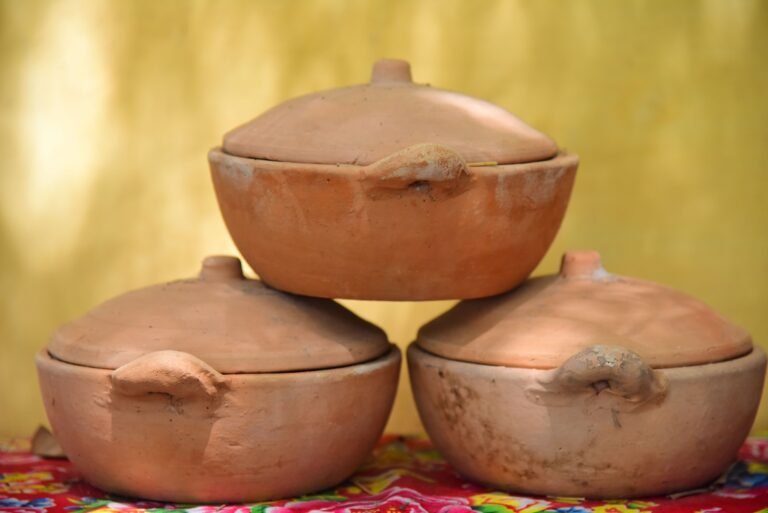
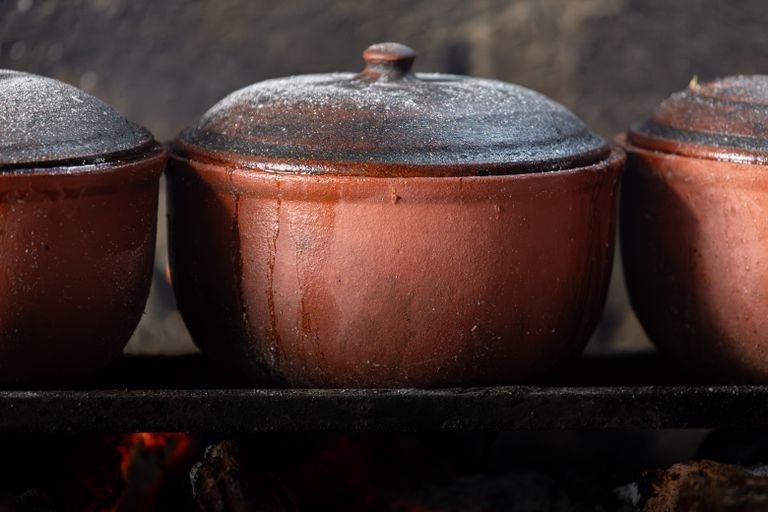
How to Fix a Cracked Clay Pot (and When You Can’t)
Short Answer: If the crack is thin, hairline, and the pot is still one solid piece, there’s a real, traditional way to fix a cracked clay pot using starch. It’s not permanent, though, so think of it as buying time rather than a true repair. If the pot has loose fragments or has genuinely come apart, nothing fixes that. Replace it.
First, figure out what actually cracked
Not every clay pot fails the same way. Knowing which kind you’re holding changes what you should even try.
Stoneware is the kind used for casseroles and bakeware. It’s fired at very high heat, often above 2000°F, which makes it hard and nearly non-porous. But that same heat leaves behind a tiny silica crystal called cristobalite. This crystal expands fast, about 3 percent, at around 437°F. That sudden expansion is usually what cracks the pot, especially if you pull a hot dish straight onto a cold counter.
Earthenware cracks for a different reason. It’s more porous than stoneware, so trapped moisture turning to steam during heating is usually what splits it, not a crystal in the clay itself. Naturustic’s page about the unglazed clay and stoneware cookware covers that difference in more depth. Either type can also crack from ordinary thermal stress or impact, but the underlying cause isn’t the same.
There’s a third category worth knowing about: Flameware. Some imported pots are made from this. It’s clay built specifically to handle direct heat, and it tolerates bigger temperature swings than ordinary stoneware, though it’s still not immune to thermal shock. Some flameware stays a little porous and needs soaking before use, but that depends on the product, so check what actually came with yours rather than guessing. If the instructions mention using it on an open flame, that’s probably what you have, not standard stoneware or earthenware.
How to actually fix a cracked clay pot
One method comes up again and again: boil starch directly in the pot. It’s not just one person’s trick, either. A cookware blog, a pottery seller, and a repair guide all describe the same basic technique on their own.
Congee, a thick rice porridge, is the classic choice for this. As it boils in the pot, the starch it releases works into the hairline crack and helps seal it while the pot cools. Rice does something similar, but it dries out fast once it’s cooked and stops releasing starch. Congee stays wet through the whole process, which is why it works better.
There’s a more hands-on version of this too, good for when you don’t already cook congee often enough for the crack to seal on its own. Simmer rice flour, water, and a few tablespoons of sugar until it thickens, then treat the pot the same way. If rice isn’t really part of your cooking at all, boiled milk or a milky soup works too, the protein acts a lot like the starch does.
But there’s a catch. One detailed account of this method describes a crack sealing well at first, then slowly leaking again months later. The pot saw a lot less use after that. That’s not the method failing exactly. It’s more like borrowed time than a real fix, so don’t push it. Skip high heat, open flame, and leaving a repaired pot unattended, and if it starts leaking again, widens, or just feels unstable, retire it for good.
When it’s actually too late
If there are loose fragments, or the pot’s actually come apart in pieces, nothing fixes that. No starch or paste trick puts a shattered pot back together. Trying anyway just risks a piece giving out while it’s full of hot food.
One seller of flameproof clay pots says this fixes cracks about 97 percent of the time. That’s their own number, not an independent test, so take it as a sales pitch, not a proven track record.
How to Stop a Clay Pot From Cracking
Preventing this comes down to avoiding what actually causes it. Put a cold pot into a cold oven and bring both up to temperature together, rather than setting cold clay onto something already hot.
Some methods call for adding a bit of water to a cold roast, to help spread the temperature stress more evenly. Follow what actually came with your specific pot rather than adding water automatically, since methods vary by product.
If your pot is standard stoneware rather than flameware, keep it off the stovetop and the grill entirely. That direct, uneven heat is exactly the kind of shock cristobalite doesn’t tolerate well.
The Verdict on Fixing a Cracked Clay Pot
A hairline crack in a pot that’s still in one piece is usually worth trying to seal. Congee or a rice flour paste, simmered gently, really does work, at least for a while. But it’s a workaround to keep cooking in a pot you like, not proof it’s back to full strength. Watch it closely instead of trusting it completely.
A pot in pieces isn’t a repair job. It’s a replacement, no matter how it’s marketed. And the fix, like the prevention, depends on knowing which kind of clay pot cracked in the first place. Stoneware, earthenware, and flameware all fail for different reasons, and none of them take the same advice.